Sabra
A term for those born in the land — symbolizing resilience, strength, and the ability to thrive in challenging environments. Tough and dangerous-looking on the outside, sweet on the inside.

Who is more motivated to find a solution than the person directly impacted by the problem? Cacti began as one patient's question and grew into a company — and a movement — at the intersection of chronic pain and mental health.
The groundwork for Cacti began over a decade ago in Clifford Woolf's pain laboratory at Harvard. Our founder's contribution started after her training in developmental psychology — work centered on early childhood attachment and developmental trauma.
She began following research on reopening critical learning periods in the brain, and started asking the pain neurobiologists a curious question: could psychedelic compounds be used to rewire neural networks and repair the plasticity that drives chronic pain? One of those neurobiologists sat across the dinner table every night.
During years in Boston surrounded by the world's leading pain scientists, none of them — and none of the medicines on the market — could relieve her own decades-long chronic pain. So we set out to build something better, with an interdisciplinary team and a single founding question.
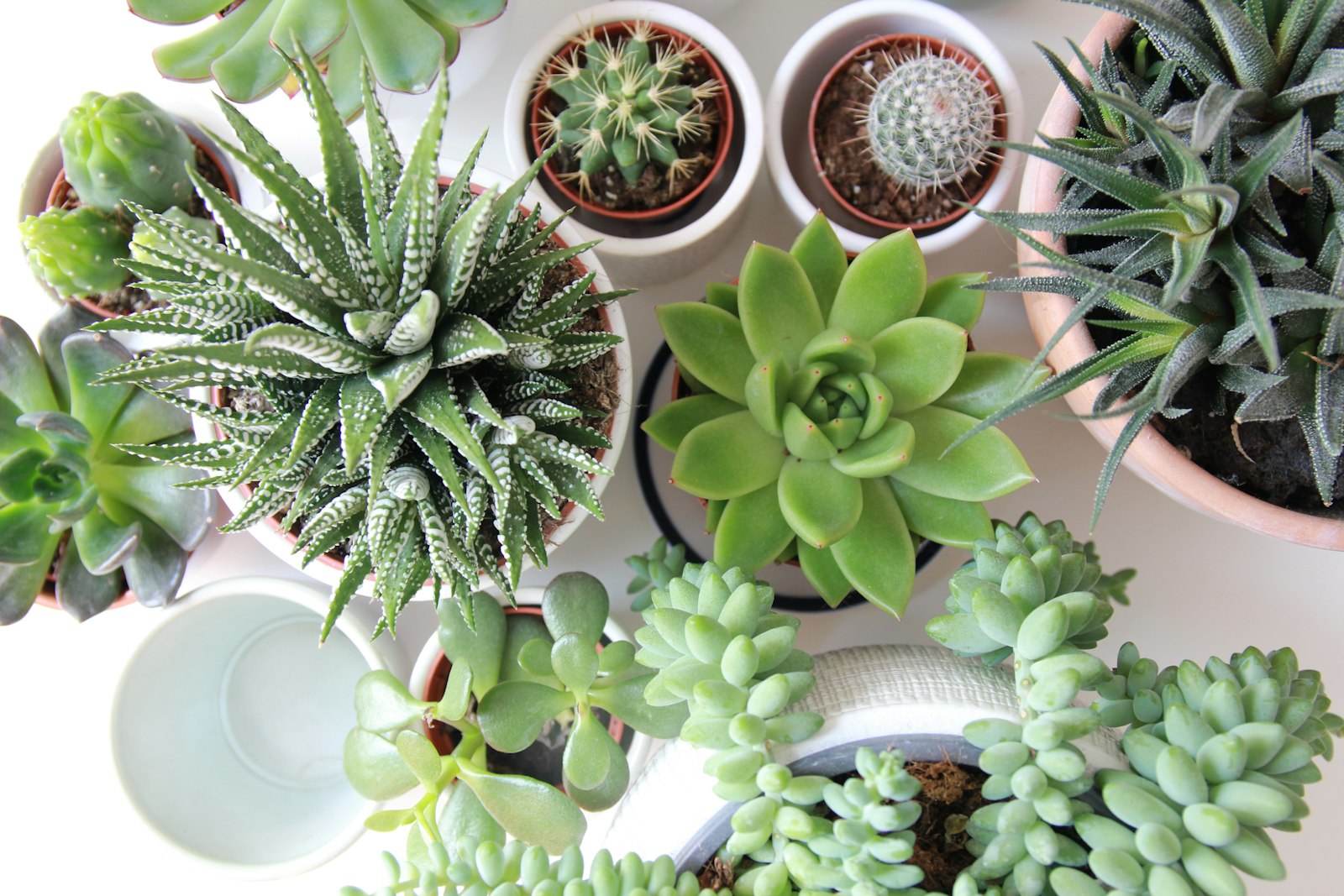
Many species, one resilient family — the interdisciplinary spirit of Cacti.
"What if we've been treating pain all wrong?"
The question Cacti was built to answer
Beyond the obvious nod to the psychedelic cactus, our name carries a deeper meaning drawn from the sabra — the prickly pear.
A term for those born in the land — symbolizing resilience, strength, and the ability to thrive in challenging environments. Tough and dangerous-looking on the outside, sweet on the inside.
Tenacity, self-control, and the capacity to endure under pressure — the quiet strength of holding on through pain and emerging whole.
Cacti survive where little else can — and still flower. Our logo's bloom is a promise: even the harshest conditions can give way to renewal.
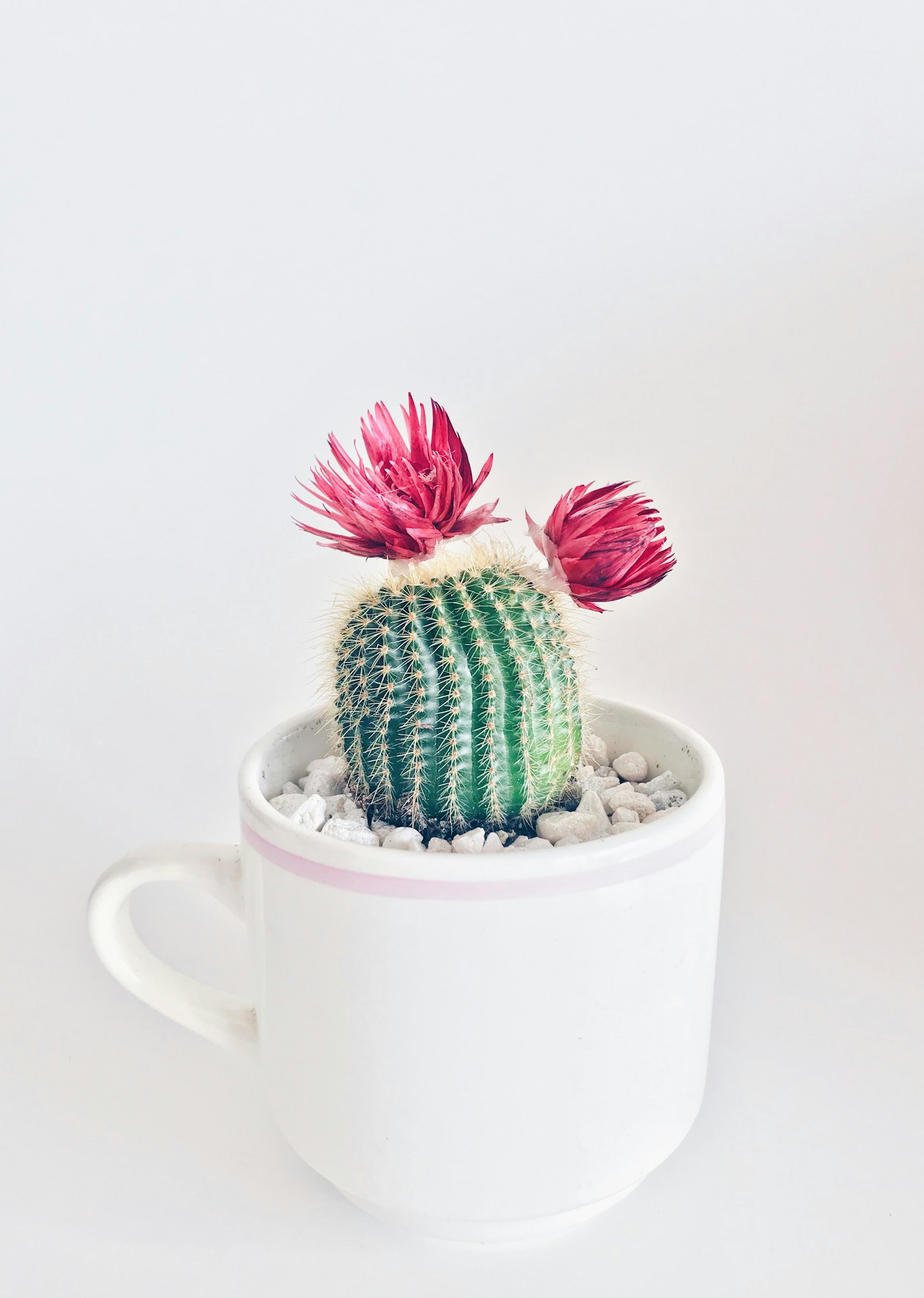
Cacti Therapeutics, based in Flower Mound, Texas, develops new therapies for neurological and neuropsychiatric conditions — with a focus on nociplastic pain syndromes and pain complicated by substance use disorder, traumatic brain injury, and PTSD.
As a Texas company, we recognize the disproportionate impact of these conditions on veterans, and we are committed to therapies that prioritize both efficacy and safety — targeting the underlying mechanisms of disease rather than offering only partial, symptomatic relief.
A team drawn from institutions including Harvard, Boston Children's Hospital, UT Dallas, and Pfizer — united by the conviction that pain deserves better.
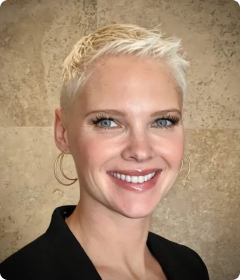
Founding CEO
Developmental psychologist and nonprofit leader. Her training in early childhood attachment and developmental trauma anchors the Cacti thesis.
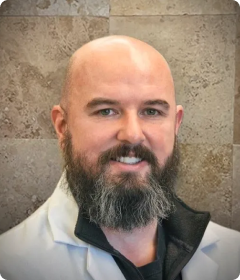
Chief Operating Officer
20+ years in pain drug development. Leads a high-throughput drug-discovery screening core at Boston Children's Hospital & Harvard Medical School.

Chief Scientific Officer
Trained under Dr. Clifford Woolf at Harvard. 50+ peer-reviewed publications focused on plant medicines and novel analgesics.
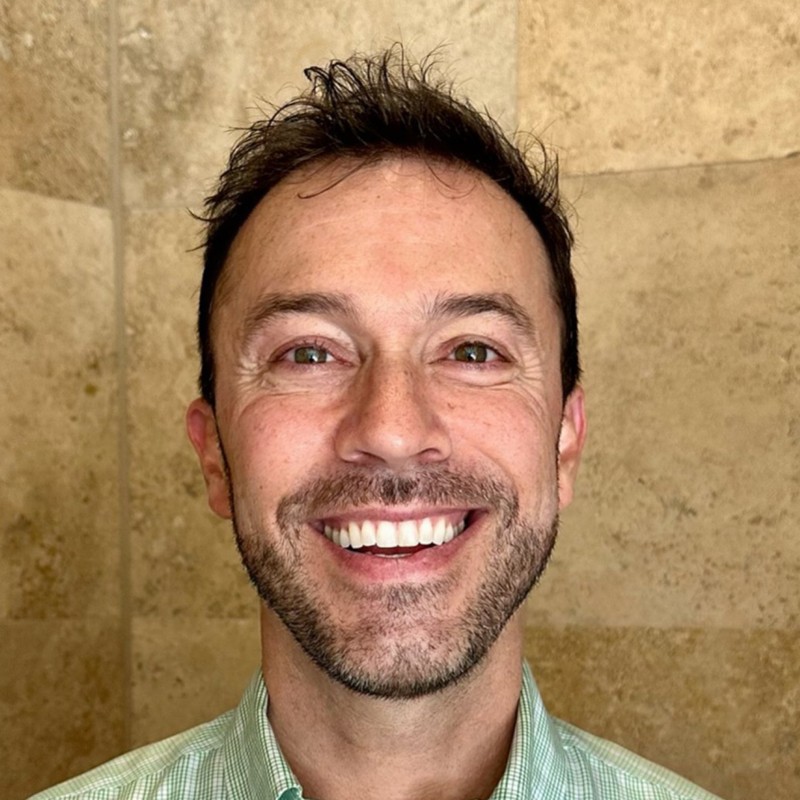
Innovation Advisor
PhD in pain drug development from Harvard; co-founder of Nocion, Blue Therapeutics & Cacti, and CEO of Blackbox Bio.
An engaged advisory board spanning neuroscience, immunology, and translational drug development.
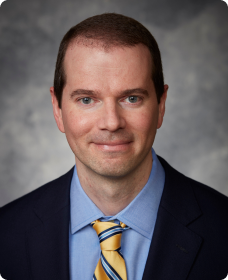
Chair of Neuroscience, UT Dallas
Expert in chronic pain & headache. Co-founder of CerSci Therapeutics (acquired by Acadia) and 4E Therapeutics.
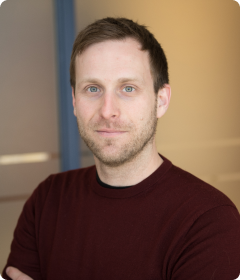
Pain & Immunology, Queen's University
Researcher at the interface of the nervous and immune systems in pain and inflammation.
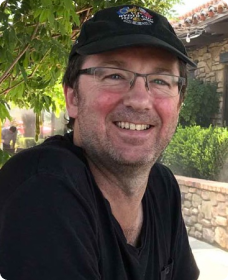
Scientific Advisor
Behavioral pharmacology and preclinical pain model expertise.
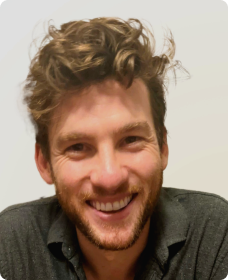
Scientific Advisor
Neuroscience and data-driven approaches to brain and behavior.
Cacti is supported by a 12-member Scientific Advisory Board. Full bios available on request.