Plasticity induction
Neuroplastogens promote the growth of new synaptic connections and the reorganization of neural circuits, reversing the maladaptive sensitization that drives chronic pain and related conditions.

Cacti is advancing peripheral neuroplastogens — non-psychedelic compounds that target the neural plasticity mechanisms driving chronic pain, PTSD, and traumatic brain injury, without acting on the central nervous system.
The standard model of pain says: tissue is damaged, nerves signal danger, pain motivates healing, and pain resolves when healing does. That model explains acute pain. It does not explain why tens of millions of people continue to hurt long after injuries heal, or why trauma survivors report pain that no structural cause can account for.
What does explain this is plasticity — the nervous system's capacity to change in response to experience. When the system that processes threat and pain undergoes maladaptive plasticity, it can become persistently sensitized, amplifying signals and generating pain with little or no peripheral input.
This is the same biological substrate at work in PTSD, TBI, and substance use disorder. These are not separate diseases that happen to co-occur with pain. They share a mechanism — and Cacti is targeting it.

Nociplastic pain originates in the nervous system's altered state — not in the tissue.

Neuroplastogens are compounds that promote structural and functional plasticity in the nervous system — opening windows for the brain and pain circuitry to reorganize toward health.
Neuroplastogens promote the growth of new synaptic connections and the reorganization of neural circuits, reversing the maladaptive sensitization that drives chronic pain and related conditions.
Classic psychedelics also promote plasticity — but their hallucinogenic effects and the clinical infrastructure required limit their reach. Cacti's compounds are designed to retain the plasticity benefit while eliminating psychedelic activity.
By restricting activity to the peripheral nervous system, we aim to achieve therapeutic plasticity at the pain periphery without the central nervous system effects — hallucinogenic or otherwise — that have limited previous approaches.
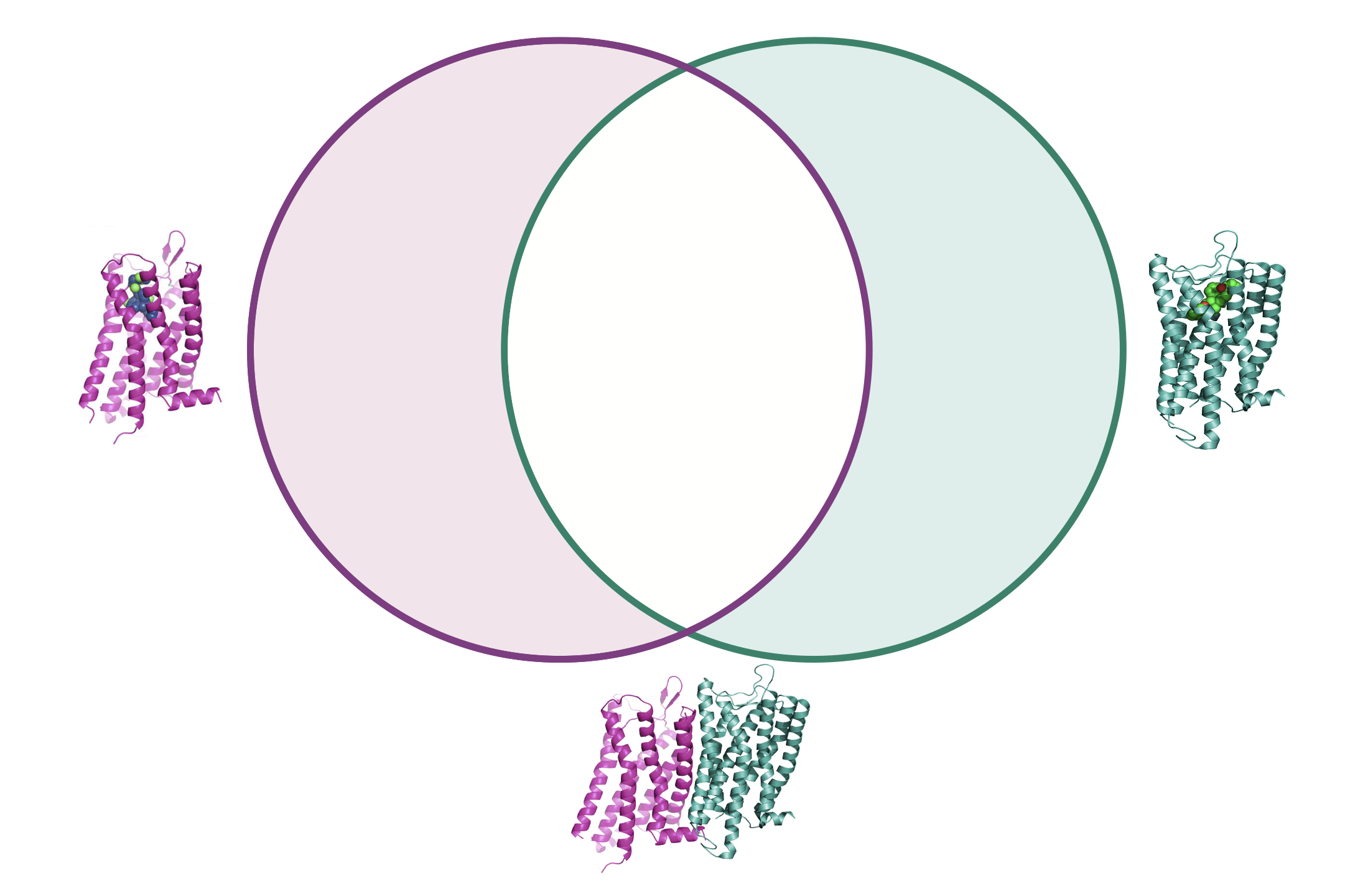
Peripheral receptor targets implicated in nociplastic pain and sensitization.
The peripheral nervous system — the sensory neurons that innervate skin, muscle, and viscera — plays a central role in initiating and maintaining sensitization. In nociplastic pain states, peripheral sensory neurons undergo lasting changes in excitability, receptor expression, and synaptic strength that continuously feed amplified signals to the spinal cord and brain.
Cacti's neuroplastogens are designed to act on these peripheral neurons to restore normal excitability and reverse maladaptive changes, interrupting the feedforward loop that keeps pain alive. Because the compounds are restricted to the periphery, they do not cross the blood-brain barrier — avoiding the cognitive and perceptual effects of centrally-acting compounds.
The structural scaffolds in our pipeline are informed by naturally occurring plant compounds with established biological activity at peripheral pain targets. Starting from these chemically validated starting points, our team at Harvard Medical School's drug-discovery screening core applies medicinal chemistry principles to tune potency, selectivity, metabolic stability, and peripheral restriction.
Our scientific strategy is to identify analogs that preserve the plasticity-promoting activity of the parent scaffold while eliminating CNS penetrance and minimizing off-target activity — producing a cleaner, safer, and more developable medicine than the natural product alone.
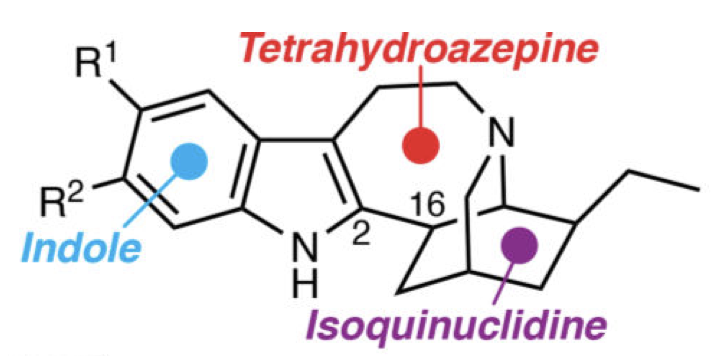
Structural analogs derived from plant-medicine scaffolds, optimized for peripheral restriction.
Our current programs target nociplastic pain conditions where the unmet need is highest and the mechanistic case for neuroplastogens is strongest.
Lead optimization
Hit-to-lead
Target validation
Discovery
Pipeline stages are illustrative. Cacti is pre-IND. Program designations and indications subject to change as science evolves.
Cacti's programs target conditions where (1) the mechanistic case for neuroplasticity-based treatment is strong, (2) existing medicines fail most patients, and (3) the populations most affected are least served — including veterans.
Pain conditions — fibromyalgia, chronic widespread pain, chronic pelvic pain, IBS — where altered nervous system processing rather than ongoing tissue damage or nerve injury is the driver. The largest, most poorly-served segment of the chronic pain population and the strongest case for a plasticity-targeting medicine.
80% of PTSD patients also live with chronic pain — yet every drug on the market treats one or the other, never both together. Cacti's mechanism is designed for exactly this intersection. A particular priority for veterans, where co-occurring PTSD and pain are epidemic.
Traumatic brain injury disrupts pain-modulating circuits and creates lasting changes in sensory processing. Chronic headache, musculoskeletal pain, and widespread hypersensitivity are prevalent sequelae. A second priority area for veteran populations and contact-sport athletes.
The opioid crisis emerged partly because pain and addiction share neurobiology — and opioids address both temporarily, at catastrophic long-term cost. A non-addictive, mechanism-targeted medicine that addresses the pain driving opioid use is one of the highest-value opportunities in drug development.
Resilience is not the absence of pain. It is the capacity to rebuild despite it.
As a Texas company, we are acutely aware of the disproportionate burden that chronic pain, PTSD, and TBI place on veterans. The VA estimates that up to 60% of veterans with PTSD also suffer from chronic pain. Suicide risk is substantially elevated when both conditions co-occur. Existing treatments, including opioids, have made this crisis worse.
Cacti's therapeutic programs and the indications we are pursuing are shaped by this reality. We are committed to developing medicines that are both safe and effective for this population — and to doing so in partnership with the institutions, researchers, and patient advocates who know them best.
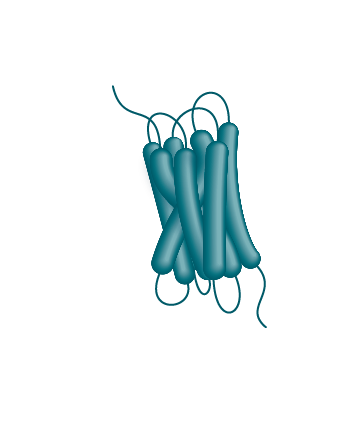
G-protein coupled receptors are key mediators of peripheral pain sensitization and plasticity.
Peripheral sensory neuron biology is increasingly understood as a rich target space for pain medicines. G-protein coupled receptors (GPCRs) expressed on nociceptors — the sensory neurons that detect potentially harmful stimuli — regulate both acute pain signaling and the longer-term plasticity changes that drive chronification.
Cacti's discovery program focuses on GPCR targets implicated in the transition from acute to chronic pain and in the sensitization states associated with PTSD and TBI comorbidity, with a particular emphasis on targets where the peripheral nervous system plays a primary mechanistic role and where CNS restriction offers a meaningful safety advantage.
"We have been treating the symptom of a disease we haven't named yet. Nociplastic pain is that disease — and neuroplasticity is its mechanism."
The scientific thesis behind Cacti's drug development program
Cacti's science is led by researchers trained at or affiliated with the world's leading pain laboratories.
Our CSO Nara Quintão trained under Clifford Woolf in the HMS Pain Research Center and has deep ties to Harvard's drug-discovery infrastructure.
Our CSO has authored more than 50 peer-reviewed papers on plant medicines, natural product analgesics, and pain mechanisms. Our scientific advisory board spans pain neuroscience, immunology, and translational drug development.
Our Innovation Advisor co-founded Nocion Therapeutics and Blue Therapeutics — two biotech companies targeting peripheral pain mechanisms — and brings a decade of pain-focused drug development experience to Cacti's strategy.
We are interested in scientific partnerships, translational collaborations, and conversations with investors and institutions who share our mission.